No products in the cart.
Luxor is one of the best places to visit in Egypt for travelers interested in ancient history. Located along the Nile River in Upper Egypt, the city is home to magnificent temples, royal tombs and fascinating archaeological sites.
Often called Egypt’s open-air museum, Luxor was once the ancient city of Thebes. Today, its monuments offer an incredible look into the history, religion and culture of ancient Egypt. The ancient city of Thebes and its necropolis are also recognized as a UNESCO World Heritage Site.
If you are planning a trip to Luxor, this guide covers the best temples, tombs and things to do in Luxor, along with useful tips for planning your visit.
Luxor is special because many of Egypt’s most important ancient monuments are concentrated in and around the city.
The Nile divides Luxor into two main areas:
Exploring both sides of the Nile gives you a better understanding of ancient Egyptian religious and funerary traditions.
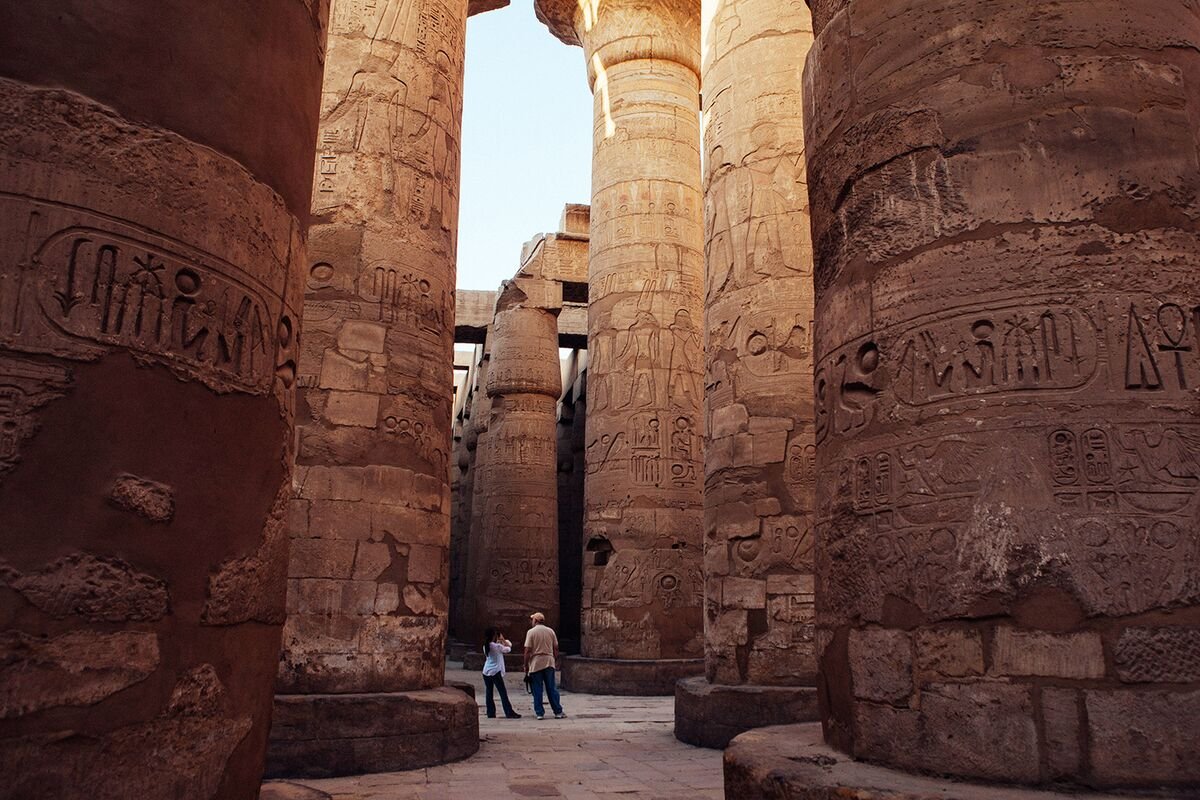
Karnak Temple is one of the most important attractions in Luxor. It is actually a huge temple complex that was developed over many centuries by different Egyptian rulers.
The complex is famous for the Great Hypostyle Hall, which contains 134 massive columns. You can also see obelisks, courtyards, chapels and the Sacred Lake while exploring the site.
Allow plenty of time for Karnak because the complex is much larger than it may appear from the entrance.
Located in the center of modern Luxor, Luxor Temple is another essential stop.
The temple was connected to Karnak by an ancient processional avenue lined with sphinxes. It played an important role in the ancient Opet Festival, when religious processions traveled between the two temples.
Visiting Luxor Temple later in the afternoon or after sunset can be especially enjoyable when the monument is illuminated.
The Valley of the Kings is one of the most famous archaeological sites in Egypt.
The valley contains royal tombs carved into the limestone hills on Luxor’s West Bank. Many of the tombs feature colorful paintings and inscriptions showing ancient Egyptian beliefs about the afterlife.
The famous tomb of Tutankhamun is also located here.
Tomb availability can change, so check current ticket information before your visit.
The Temple of Hatshepsut is one of the most distinctive monuments on Luxor’s West Bank.
Built into the cliffs of Deir el-Bahari, the temple features three large terraces connected by ramps. Its dramatic setting makes it one of the most impressive sights in Luxor.
The temple was built as a mortuary temple for Queen Hatshepsut and her father, Thutmose I.
The Colossi of Memnon are two enormous stone statues standing on the West Bank.
The statues once formed part of a much larger mortuary temple complex associated with Pharaoh Amenhotep III. Today, they are a popular stop during West Bank tours and can easily be combined with the Valley of the Kings and Hatshepsut Temple.
If you have extra time, add Medinet Habu to your Luxor itinerary.
This impressive temple was built by Ramesses III and is known for its large pylons, detailed reliefs and well-preserved inscriptions.
It is often quieter than Karnak and Luxor Temple, making it a good choice for travelers who want to explore beyond the main attractions.
Deir el-Medina provides a different perspective on ancient Egyptian history.
The site was once home to the craftsmen who built and decorated many of the royal tombs in the Valley of the Kings. Exploring the remains of their settlement and tombs offers a fascinating look at everyday life in ancient Egypt.
Deir el-Medina is officially included among the important monuments of ancient Thebes and its necropolis.
Luxor is not only about archaeological sites. The Nile and surrounding landscapes also provide memorable experiences.
A traditional felucca ride on the Nile is a relaxing way to enjoy Luxor’s scenery.
Sail past palm trees, farmland and riverside villages while watching the sunset over the Nile Valley.
For a different view of Luxor, consider a sunrise hot air balloon ride over the West Bank.
From above, you can see ancient temples, villages, green farmland and the desert mountains. It is one of the most memorable experiences available in Luxor.
The ancient Avenue of Sphinxes connects Karnak Temple and Luxor Temple.
The avenue was used for religious processions and stretches for approximately 2.7 kilometers. Today, it provides another way to understand the connection between the two major East Bank temples.
You do not have to choose between them.
The East Bank is best known for its monumental temples, while the West Bank focuses on royal tombs and mortuary temples.
If you have only one day in Luxor, try to visit both sides.
A typical itinerary could include:
Morning: Valley of the Kings, Hatshepsut Temple and Colossi of Memnon
Afternoon: Karnak Temple
Evening: Luxor Temple
If you have two days, you can explore the West Bank at a slower pace and add sites such as Medinet Habu, Deir el-Medina or the Valley of the Queens.
For a first visit, two days in Luxor is a good starting point.
Focus on the major attractions:
With two days, you can explore the main attractions without rushing and add Medinet Habu, Deir el-Medina, museums or a Nile experience.
Extra time allows you to explore lesser-known archaeological sites, enjoy a hot air balloon ride, take a felucca trip or simply experience Luxor at a slower pace.
The cooler months from October to April are generally more comfortable for sightseeing.
This is especially important because many Luxor attractions involve walking outdoors and spending time in the sun.
During the hotter months, plan outdoor sightseeing for the cooler parts of the day, drink plenty of water and use sun protection.
Comfortable clothing and shoes are important when visiting Luxor.
Bring:
When visiting temples and religious sites, modest clothing is recommended.
A professional Egyptologist guide can make a major difference, especially at large archaeological sites.
Instead of simply seeing columns, statues and tomb paintings, you can learn about the pharaohs, gods, religious beliefs and stories represented by the monuments.
A guide can also help organize the sightseeing route and make the most of limited time.
Absolutely.
Luxor offers one of the world’s most impressive concentrations of ancient Egyptian monuments. From the massive columns of Karnak to the royal tombs of the Valley of the Kings, every site tells another part of Egypt’s ancient story.
The combination of temples, tombs, the Nile and desert landscapes makes Luxor very different from Cairo and the Red Sea resorts.
Luxor is famous for its ancient temples, royal tombs and archaeological sites, including Karnak Temple, Luxor Temple, the Valley of the Kings and Hatshepsut Temple.
Two days is ideal for a first visit. One day is possible if you focus only on the major attractions, while three or more days allow for a slower and more detailed experience.
Both cities are important, but Luxor offers an exceptional concentration of temples, tombs and monuments from ancient Thebes.
Yes. Many Nile cruises operate between Luxor and Aswan, making Luxor a popular starting or ending point for a cruise.
The best things to do include visiting Karnak Temple, Luxor Temple, the Valley of the Kings and Hatshepsut Temple. A hot air balloon ride, felucca trip and visit to Medinet Habu are also excellent additions.
Luxor is a must-visit destination for anyone interested in ancient Egyptian history.
From the temples of the East Bank to the royal tombs of the West Bank, the city offers an incredible journey through thousands of years of history. Add a Nile felucca ride, sunrise hot air balloon flight or evening visit to Luxor Temple, and your trip becomes even more memorable.
With the right itinerary, comfortable transportation and enough time to explore, Luxor can be one of the highlights of any Egypt vacation.
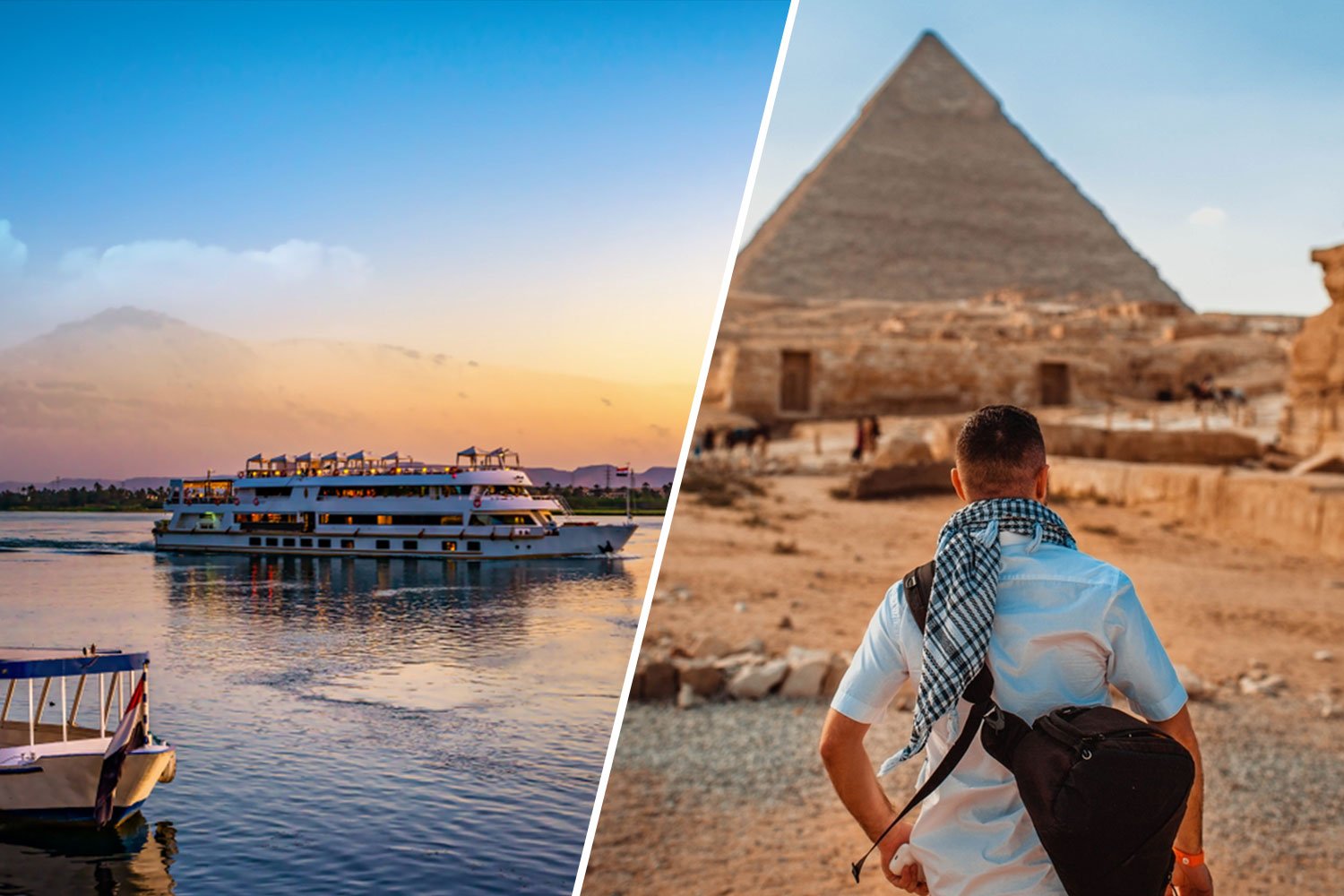

Your trusted local partner for private Egypt tours, Nile cruises, airport transfers, and tailor-made travel packages. Discover Egypt with professional local experts and personalized service.
Top Destination
Information